Enterprise Collaboration Apps Gain Smarter AI Features
Collaboration platforms continue evolving with new artificial intelligence capabilities designed to improve workplace productivity. Modern business applications now include automated meeting summaries, task recommendations, document generation, real-time translations, and intelligent search functionality. Hybrid and remote work environments continue driving demand for collaboration software that…

AI Governance Emerges as a Top Priority for Enterprise Leaders
As artificial intelligence becomes deeply integrated into business operations, organisations are placing greater emphasis on AI governance. Executives recognise that responsible AI deployment requires transparency, accountability, security, and regulatory compliance. Many enterprises are establishing dedicated AI governance teams responsible for evaluating algorithms, monitoring model…

Cloud Native Applications Become the Standard for Modern Software Development
Cloud native development is rapidly becoming the preferred approach for organisations building scalable and resilient applications. Technologies such as containers, Kubernetes, serverless computing, and microservices enable businesses to deploy software faster while improving flexibility. Unlike traditional applications, cloud native solutions are designed specifically for…

Subscription-Based Business Models Continue Expanding Across Industries
Subscription services are no longer limited to streaming platforms. Businesses across software, manufacturing, healthcare, education, and professional services are increasingly adopting subscription-based revenue models to improve customer retention and create predictable recurring income. Companies are offering flexible pricing, personalised service packages, and value-added features…

Edge Computing Adoption Accelerates as Businesses Demand Faster Data Processing
Edge computing is becoming a critical part of enterprise technology strategies as organisations seek faster processing, lower latency, and improved reliability for connected devices. Instead of sending all data to central cloud servers, edge computing processes information closer to where it is generated. Industries…

Customer Data Platforms Drive the Next Phase of Personalised Marketing
Customer Data Platforms (CDPs) are becoming an essential part of modern marketing technology as organisations seek to create more personalised and consistent customer experiences. By combining information from websites, mobile applications, email campaigns, customer relationship management systems, and offline interactions, CDPs provide marketers with…

Platform Engineering Continues to Improve Developer Productivity
Platform engineering is becoming a major priority for software organisations seeking to simplify application development while improving consistency across engineering teams. Instead of requiring developers to manage infrastructure, deployment pipelines, and operational tools independently, platform engineering provides self-service internal platforms that standardise software delivery.…

Continuous Exposure Management Strengthens Enterprise Cyber Resilience
Organizations are shifting from reactive cybersecurity strategies to Continuous Exposure Management (CEM) as cyber threats become more sophisticated and attack surfaces continue to expand. Rather than conducting occasional vulnerability assessments, CEM provides ongoing visibility into security risks across networks, cloud infrastructure, endpoints, applications, and…

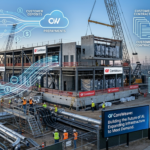
Smart Infrastructure Investments Drive Long-Term Economic Development
Governments and private sector organizations are increasing investments in smart infrastructure projects to strengthen economic growth while improving the efficiency of public services. Modern infrastructure initiatives combine digital technologies, connected sensors, artificial intelligence, and advanced analytics to optimise transportation, energy, water management, and urban…

Workflow Orchestration Platforms Streamline Enterprise Automation
Workflow orchestration platforms are becoming essential tools for organizations looking to coordinate complex business processes across multiple systems and departments. Unlike basic workflow automation, orchestration platforms manage complete end-to-end processes by connecting applications, data sources, and employees into unified operational workflows. Businesses are implementing…